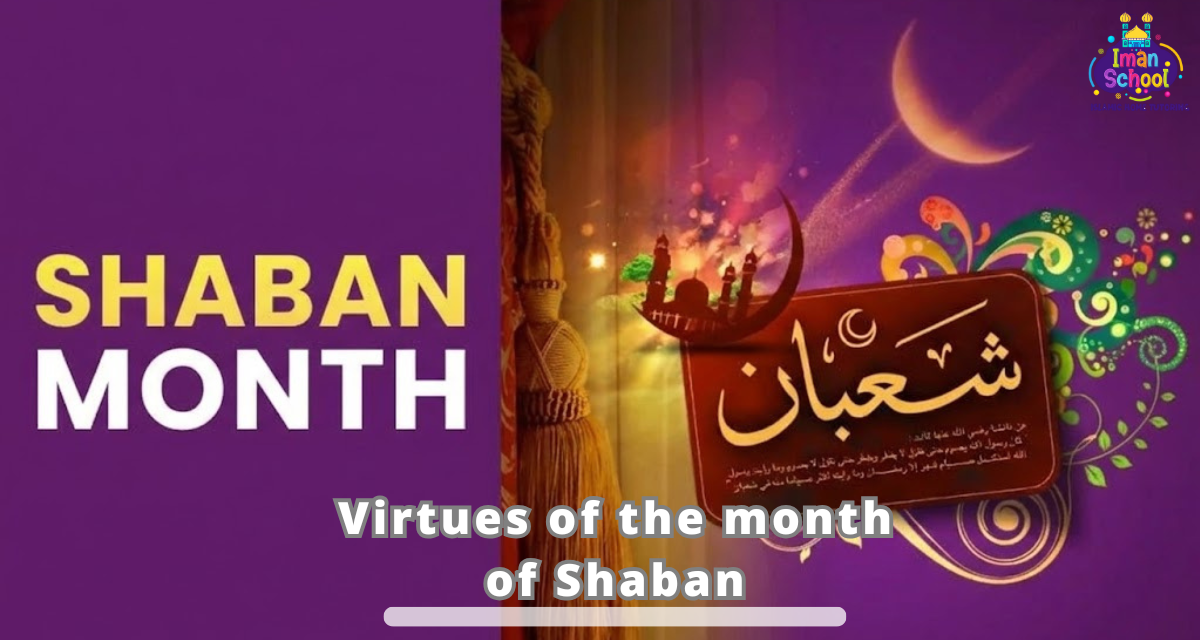
As the crescent of Shaban appears, a unique spiritual energy begins to fill the air. For many, this month is often overlooked, tucked away between the sacredness of Rajab and the intensity of Ramadan. However, the Virtues of the month of Shaban are immense, offering a golden opportunity for believers to prepare their hearts and souls. Understanding the Virtues of the month of Shaban is the secret to entering Ramadan with a heart that is already polished and ready for divine light.
The Significance of Shaban in Islam
The Significance of Shaban in Islam is rooted in its role as a time of transition. The Prophet Muhammad (PBUH) described Shaban as the "neglected month" (Al-Shahr al-Maghful). In a famous Hadith recorded by Imam an-Nasa’i in his Sunan, Usama ibn Zayd (RA) asked the Prophet why he fasted so much in Shaban. The Prophet (PBUH) replied:
"That is a month to which people do not pay much attention, between Rajab and Ramadan. It is a month in which the deeds are taken up to the Lord of the worlds, and I like that my deeds be taken up when I am fasting."
This Lifting of deeds to Allah (Raf' al-A'mal) is one of the most powerful Virtues of the month of Shaban. It serves as an annual "performance review" of our spiritual lives before the new record begins in Ramadan.

Top 10: Virtues of fasting in Rajab
Recommended Deeds to Perform in Shaban
To truly capture the Virtues of the month of Shaban, scholars recommend a specific set of best deeds to do in Shaban. Early generations of Muslims, as noted by Ibn Rajab al-Hanbali in his book Lata’if al-Ma’arif, used to call Shaban the "month of the Quran readers."
-
Reciting the Quran: Increase your daily portion to prepare your tongue for the long nights of Taraweeh.
-
Increasing Salawat in Shaban: Sending blessings upon the Prophet (PBUH) is highly encouraged, as many scholars believe the verse commanding Salawat (Quran 33:56) was revealed in this month.
-
Seeking Forgiveness: Engage in constant Istighfar for spiritual cleansing before Ramadan.
-
Charity: Giving even a small amount helps soften the heart.
-
Dua: Use the Duas for the month of Shaban to ask Allah to allow you to reach Ramadan in good health and faith.
Read about: Major vs Minor Sins in Islam
Fasting in the Month of Shaban: Is it Sunnah?
One of the most prominent Virtues of the month of Shaban is the practice of fasting. Many people ask, "Is fasting in Shaban Sunnah?" The answer is a resounding yes. Prophet Muhammad’s fasting in Shaban was more frequent than in any other month except Ramadan.
Aisha (RA) narrated in Sahih Bukhari: "I never saw the Messenger of Allah fasting for an entire month except in Ramadan, and I never saw him fast more than he did in Shaban."
Why Should You Fast?
-
Following the Sunnah in Shaban: It is an act of love for the Prophet (PBUH).
-
Fasting the White Days (Ayyam al-Beed) in Shaban: Fasting the 13th, 14th, and 15th follows the general prophetic recommendation.
-
Making up missed fasts (Qada) in Shaban: This is the final opportunity for those who need to complete their debts from the previous Ramadan.
-
Physical Training: Fasting in Shaban (Sunnah) helps the body adjust to hunger and thirst, reducing the "caffeine headaches" or fatigue during the first few days of Ramadan.
Learn more about: Islam vs Iman
The Night of Mid-Shaban and Its Significance
The Night of Mid-Shaban (Nisf Shaban), also known in some cultures as the Night of Bara'ah (Laylat al-Bara'ah), is a focal point of the Virtues of the month of Shaban.
While scholars have varying opinions on specific congregational rituals, several Hadiths on the virtues of Shaban highlight that Allah looks down upon His creation on this night.
In a Hadith classified as Hasan by Al-Albani in Silsilah al-Ahadith al-Sahihah, the Prophet (PBUH) said:
"Allah looks at His creation on the night of the middle of Shaban and He forgives all His creation except for a polytheist (Mushrik) or one who harbors a grudge against others (Mushahin)."
Therefore, seeking forgiveness on the 15th of Shaban by clearing your heart of malice is one of the most essential Virtues of the month of Shaban.
Explore: Difference between a Prophet and a Messenger
How to Prepare for Ramadan in Shaban
Shaban is often called Shaban: The bridge to Ramadan. If you wait until the first night of Ramadan to start your worship, you may spend the first ten days just trying to get into the "mood." By utilizing the Virtues of the month of Shaban, you hit the ground running.
Preparation for Ramadan should include:
-
Finalizing your Qada (missed) fasts.
-
Establishing a consistent night prayer (Tahajjud) routine.
-
Cleaning your heart of grudges to ensure you are eligible for Allah's mercy.
-
Setting a specific Quran goal.
and make the most of the Virtues of the month of Shaban
FAQ about Virtues of the month of Shaban
Is it permissible to fast after the 15th of Shaban?
Some scholars, based on a Hadith in Abu Dawood, suggest it is disliked to start fasting after the 15th if you haven't been fasting regularly before. However, if it is your habit (like Mondays and Thursdays), it is permitted.
What is the significance of the 15th of Shaban?
It is a night of Forgiveness on the 15th of Shaban. It is a time for self-reflection and asking Allah to erase our sins before the holy month begins.
Why is Shaban called the "neglected month"?
Because it falls between Rajab (a sacred month) and Ramadan (the month of the Quran), many people forget to utilize the Virtues of the month of Shaban for their spiritual growth.
Learn: First and last verses of the Quran
Prepare for Ramadan with Iman School
Understanding the Virtues of the month of Shaban is the first step toward a successful Ramadan. If you want to improve your Quran recitation, master the Fiqh of Fasting, or dive deeper into the Significance of Shaban in Islam, we are here to help.
Iman School is the best online Islamic academy for personalized learning. We offer specialized courses on Following the Sunnah in Shaban, Tajweed, and Arabic. Our expert tutors will guide you through spiritual cleansing before Ramadan with authentic knowledge from the Quran and Sunnah.