If you have ever embarked on the journey of learning Arabic, you have likely heard it referred to by a majestic title: Lughat al-Dhad. But why exactly is Arabic known as the language of Dhad?
This name is not just a poetic label; it is a profound reflection of Arabic linguistic identity and a testament to the distinction of the Arabic alphabet. For centuries, scholars, poets, and linguists have celebrated the language of Dhad as a unique phenomenon that sets Arabic apart from every other tongue on Earth.
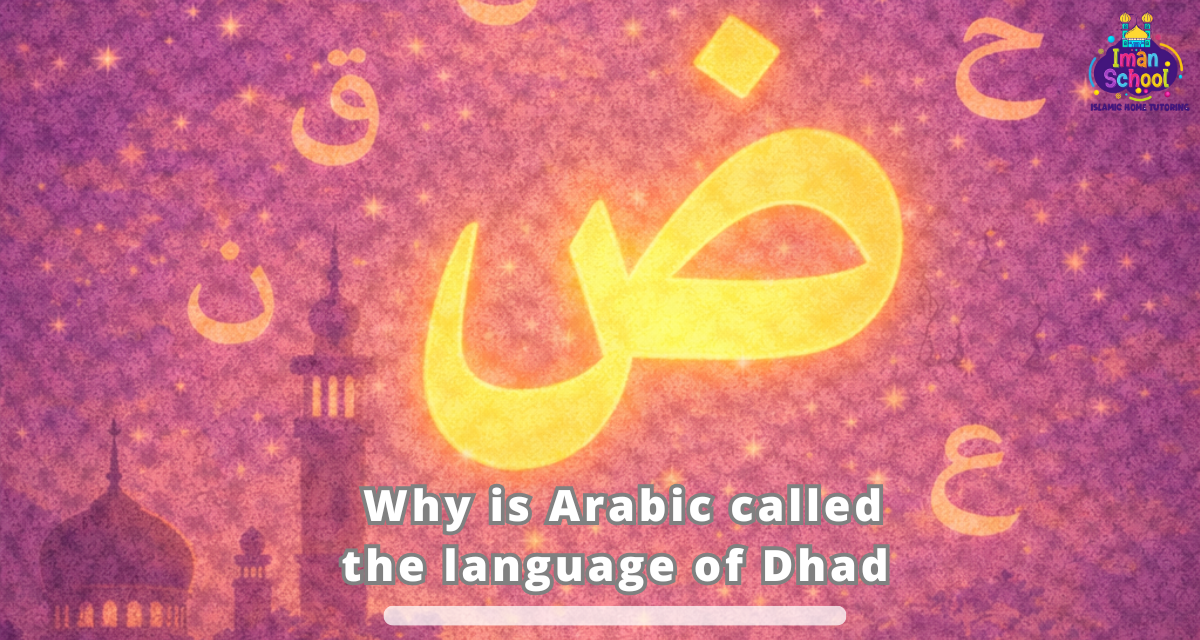
The Secret of the Letter Dhad (ض)
The primary reason Arabic is called the language of Dhad lies in the uniqueness of the letter Dhad (ض) itself. Historically, linguists believed that the specific sound produced by the Dhad was entirely absent from any other language. When we perform a Semitic languages comparison, we find that while sister languages like Hebrew or Aramaic share many roots, they do not possess the exact articulation points (Makharij al-Huruf) required to produce the authentic Dhad.
The language of Dhad requires a complex coordination of the tongue against the upper molars, a feat of Arabic phonology and phonetics that is notoriously difficult to master. This specific sound is so rare that it became the ultimate symbol of Arabic language heritage and pride.
Is Arabic Hard to Learn? Challenges and Tips
The Articulation and Eloquence of the Dhad
In the realm of Classical Arabic vs. Dialects, the proper pronunciation of this letter is considered the mark of a true orator. Famous Arabic poets and the Dhad have long used this letter to showcase the eloquence of the Arabic language (Balagha). Because the language of Dhad demands such precision, mastering the letter Dhad (ض) pronunciation became synonymous with mastery of the language itself.
For Muslims, the language of Dhad takes on an even deeper meaning as a liturgical language. The linguistic miracles of the Quran are often tied to the precise sounds and rhythms of the text. This is why proper Tajweed for the letter Dhad is a major focus for students; mispronouncing it can sometimes change the meaning of a word, which is why scholars emphasize the articulation points (Makharij al-Huruf) so strictly.
Challenges for Learners and the Beauty of Calligraphy
It is no secret that there are significant challenges for non-native Arabic learners when it comes to this letter. The difficulties of pronouncing Dhad often lead learners to substitute it with a heavy "D" or a "Z," but these do not capture the essence of the language of Dhad.
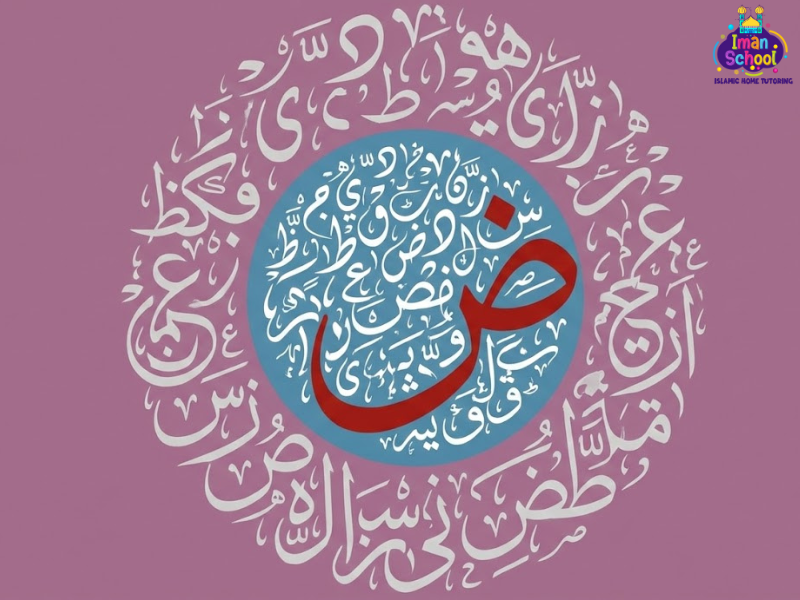
Beyond the sound, the visual beauty of the letter is celebrated in Arabic calligraphy and the letter Dhad. Its elegant curves and the dot that distinguishes it are central to the aesthetic of the Arabic alphabet. Despite the challenges for non-native Arabic learners, the reward of finally pronouncing it correctly provides a deep sense of connection to the history of the Arabic language.
10 Things Your Child Will Learn: Teaching Arabic to Children
FAQs About the Language of Dhad
Is Arabic the only language with the "Dhad" sound?
While some modern linguists argue that obscure dialects in other regions might have similar sounds, the language of Dhad remains the only major world language to incorporate this specific emphatic lateral fricative as a core part of its phonology.
Why is the letter Dhad so hard to pronounce?
The difficulties of pronouncing Dhad stem from its unique articulation points (Makharij al-Huruf). It requires touching the side of the tongue to the upper molars, a movement not used in English or most European languages.
What is the meaning of Lughat al-Dhad?
Lughat al-Dhad literally translates to "The Language of the Dhad." It is a title used to express Arabic linguistic identity and the eloquence of the Arabic language (Balagha).
With Iman School: Easy Arabic Grammar for Kids
Does the pronunciation of Dhad change in different dialects?
Yes. In the debate of Classical Arabic vs. Dialects, you will find that in some regions, the Dhad sounds more like a "Dha" (ظ), while in others it is a heavy "D." However, in proper Tajweed for the letter Dhad, the classical pronunciation is strictly maintained.
Why is the Dhad important in the Quran?
As the language of Dhad is the language of revelation, the linguistic miracles of the Quran rely on the phonetic precision of every letter. Tajweed teachers focus on it to preserve the history of the Arabic language and the integrity of the divine text.
Who was the first person to use the term Language of Dhad?
While its origins are ancient, the term was popularized by famous Arabic poets and the Dhad scholars who wanted to highlight why Arabic is unique among world languages.
Can non-Arabs ever master the Dhad sound?
Yes! While there are challenges for non-native Arabic learners, with the right online Arabic tutors and a focus on Arabic phonology and phonetics, anyone can master it.
Start Learning in Minutes: Arabic Numbers 1 to 10 for Beginners
How does Dhad differ from the letter Dal?
The Dhad is an "emphatic" letter, meaning it is deeper and more resonant. Mastering the letter Dhad (ض) pronunciation involves a different tongue position than the simple "Dal."
Is the Dhad used often in Arabic calligraphy?
Yes, Arabic calligraphy and the letter Dhad are deeply linked. The letter’s structure allows calligraphers to create stunning, flowing designs that represent Arabic language heritage and pride.
Why should I learn the language of Dhad?
Learning the language of Dhad opens the door to a rich Arabic language heritage, allowing you to appreciate the eloquence of the Arabic language (Balagha) and the depths of the Quran.
Master the Language of Dhad with Iman School
Are you ready to overcome the challenges for non-native Arabic learners and perfect your pronunciation? At Iman School, we specialize in helping students master the language of Dhad through personalized, one-on-one coaching.
Whether you want to improve your proper Tajweed for the letter Dhad or dive into the history of the Arabic language, our expert tutors are here for you. We bridge the gap between Classical Arabic vs. Dialects, providing you with an authentic Arabic linguistic identity.
Enroll in Iman School today and master the unique sounds of the language of Dhad.