Are you looking for the most effective ways to introduce your little ones to the language of the Quran? Teaching Arabic to Children is a rewarding journey that opens doors to their cultural heritage and spiritual growth. While many parents feel overwhelmed by the complexity of the language, the secret to successfully Teaching Arabic to Children lies in making the process interactive, consistent, and full of joy.
By using a mix of modern tools and traditional methods, you can make the experience of Teaching Arabic to Children the highlight of their day.
The Journey of Letters: Master the Arabic Alphabet
The first step in Teaching Arabic to Children is familiarizing them with the 28 letters. Instead of dry drills, try Arabic alphabet for beginners (kids) using Arabic flashcards for toddlers.
This turns a lesson into a game of "point and find." Many Online Arabic tutors for children suggest starting with the shapes and sounds before worrying about the four forms of each letter. Learning Arabic through play such as using playdough to mold the letters is one of the most fun ways to teach Arabic at home.
The World of Harakat: Mastering Vowels and Phonics
Once the letters are familiar, Teaching Arabic to Children moves into the musical world of Harakat (Fatha, Kasma, Damma). This is where Arabic nursery rhymes and songs become invaluable. Phonics are the building blocks of Arabic reading and writing for kids. By using interactive Arabic games for children, they can learn how a "Ba" becomes "Bu" or "Bi," creating a strong foundation for Quranic Arabic for kids later on.
Arabic Numbers: Counting and Basic Math
Teaching Arabic to Children numbers is often the easiest part of the curriculum. From "Wahid" to "Ashara," kids love counting their toys or steps in Arabic. To make it more effective, integrate Arabic cartoons for language learning that focus on counting. This helps in raising bilingual kids: Arabic and English who can switch between numerical systems effortlessly.
Colors and Shapes: Describing the World
A vibrant part of Teaching Arabic to Children involves teaching them how to describe what they see. Use Arabic vocabulary for kids to label the "Ahmar" (red) apple or the "Murabba" (square) box. Using a Modern Standard Arabic (MSA) for children approach ensures they learn the most formal and widely understood version of the language, which is essential for their future academic and religious studies.
Family and Home: My Small World
When Teaching Arabic to Children, starting with their immediate environment -family (Usra) and home (Bayt)- makes the language relatable. This is a core part of an Arabic language homeschool curriculum. Encourage them to call their family members by their Arabic titles. Arabic storytelling for children about family adventures is a fantastic way of motivating kids to speak Arabic in their daily lives.
The Animal Kingdom and Nature
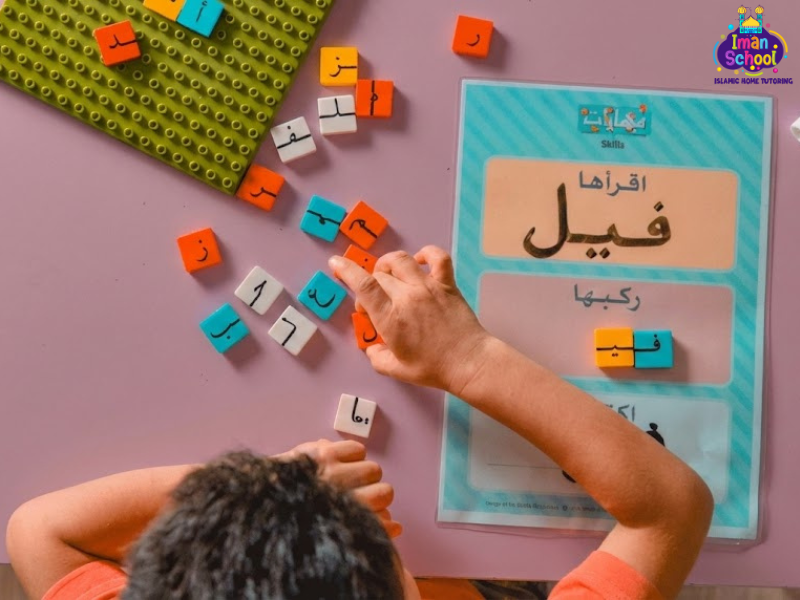
Kids have a natural curiosity about animals. Teaching Arabic to Children through the "Asad" (lion) or "Fil" (elephant) keeps them engaged. You can use the best Arabic apps for children that feature animal sounds and names. This stage is perfect for teaching Arabic to non-native speaking kids because animal names are often distinct and easy to memorize through repetition and pictures.
Pronouns and Pointing: Who and What?
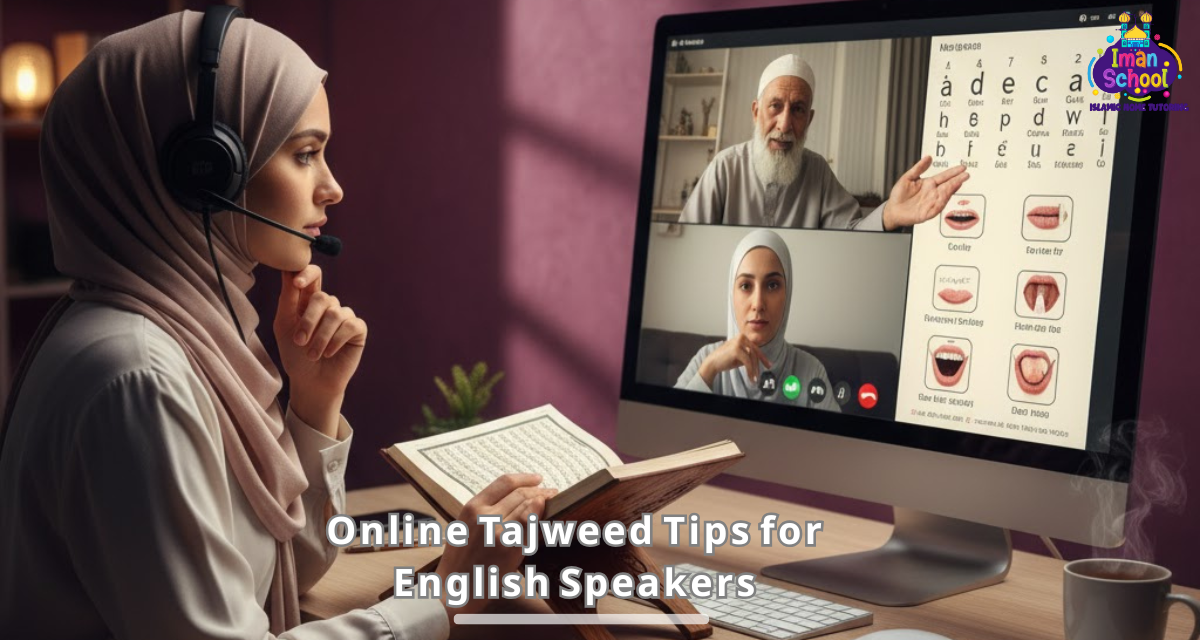
As their confidence grows, Teaching Arabic to Children should involve basic grammar, like pronouns (Ana, Anta, Huwa). Using "This" (Hadha/Hadhihi) to point at objects around the room is an excellent interactive exercise. This is often where Arabic for kids online classes shine, as teachers use virtual pointers to help kids identify objects and people correctly.
Action Verbs: Expressing Daily Activities
To move from words to sentences, Teaching Arabic to Children must include verbs like "to eat," "to play," and "to sleep." Total Physical Response (TPR) is a great technique here—have them jump when you say "Yaqfiz." This keeps the energy high and is one of the most effective fun ways to teach Arabic at home.
Time and Seasons: Days of the Week and Weather
Understanding time is a big milestone. Teaching Arabic to Children the days of the week and the seasons helps them navigate their schedule. You can include this in a summer Arabic programs for kids or a morning routine. Discussing the weather (Al-Jaw) each morning is a simple, consistent way to practice their Arabic vocabulary for kids.
Conversational Skills: Greetings and Social Manners
The ultimate goal of Teaching Arabic to Children is communication. Teach them "Assalamu Alaikum," "Kaifa Haluk," and "Shukran." High-quality online Arabic tutors for children focus heavily on these social manners. By practicing these greetings, you are not just teaching a language; you are instilling the Adab (etiquette) that is central to the Arabic-speaking and Islamic world.
Is Arabic Hard to Learn? Challenges and Tips
FAQs about Teaching Arabic to Children
What is the best age to start Teaching Arabic to Children?
Most experts at Iman School recommend starting around the age of 4 years. At this stage, children are like sponges, making it the perfect time for Arabic alphabet for beginners (kids). We focus on Learning Arabic through play to ensure they develop a natural love for the language without feeling pressured.
Can non-native speakers really master Quranic Tajweed?
Absolutely! Our courses are specifically designed for teaching Arabic to non-native speaking kids and adults. By using the Noorani Qaida, students learn the foundational phonics of the language. With the help of online Arabic tutors for children, even those with zero Arabic background can achieve beautiful and precise Quranic recitation.
How can I keep my child motivated to learn Arabic in the West?
The key is engagement. We use interactive Arabic games for children and Arabic cartoons for language learning to keep the lessons exciting. We also encourage parents to use Arabic flashcards for toddlers at home. This consistency helps in motivating kids to speak Arabic as they become proud bilingual kids: Arabic and English.
Why should my child learn Modern Standard Arabic (MSA) instead of a dialect?
At Iman School, we prioritize Modern Standard Arabic (MSA) for children because it is the language of the Quran, literature, and formal communication across all Arab countries. A tailored Islamic curriculum based on MSA ensures your child can understand religious texts and communicate effectively anywhere in the Muslim world.
Are online Arabic classes as effective as in-person learning?
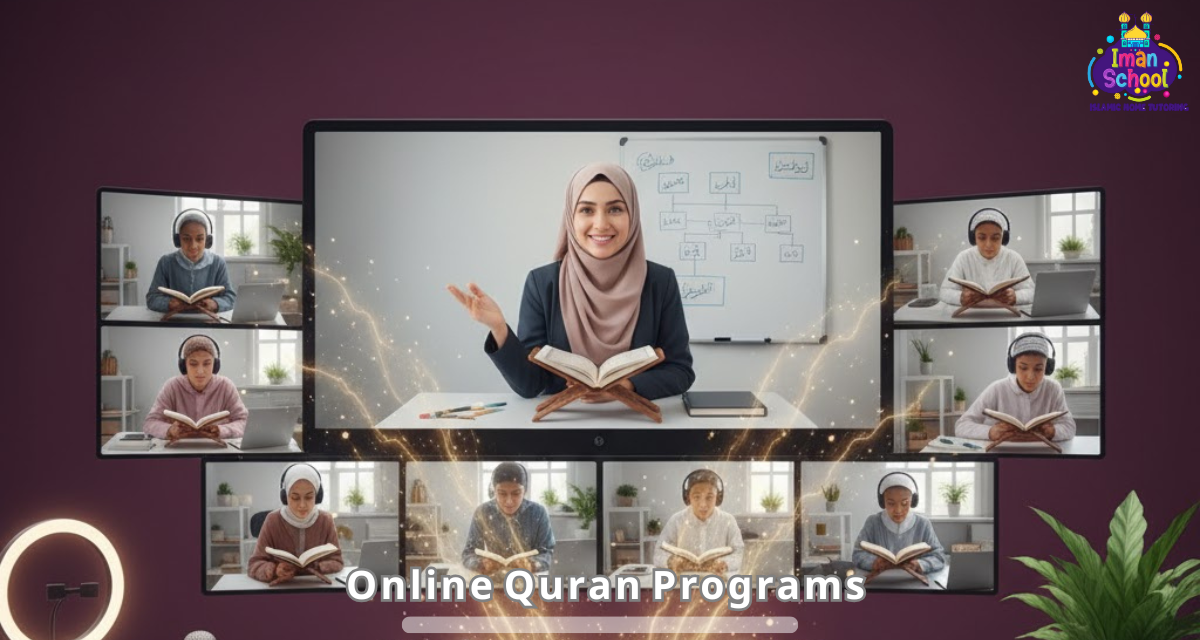
Often, they are more effective! Online Arabic tutors for children provide focused, one-on-one tutoring that is hard to find in a crowded physical classroom. By using Arabic storytelling for children and digital tools, we create an immersive environment that saves families travel time while delivering high-quality authentic Islamic education.
Join the Best School for Teaching Arabic to Children – Iman School
If you want your child to master the language with ease and confidence, Iman School is the premier destination for Arabic for kids online. We specialize in Teaching Arabic to Children using a structured Arabic language homeschool curriculum that is both fun and authentic.
At Iman School, we offer:
-
One-on-one sessions with expert online Arabic tutors for children.
-
A curriculum focusing on Modern Standard Arabic (MSA) for children and Quranic Arabic for kids.
-
Interactive Arabic games for children and Arabic storytelling for children to keep them engaged.
-
Specialized summer Arabic programs for kids to boost their skills.
Give your child the gift of a second language today. Enroll in Iman School, the world's best online school for Teaching Arabic to Children.