How do we equip our children to thrive in the modern world while remaining rooted in faith? Instilling Islamic values for children is the answer. These values -far beyond just rituals- form the core of their character (Akhlaq) and serve as their moral compass throughout life. By focusing on Islamic values for children, parents ensure their kids develop the inner strength and ethics necessary to be confident and righteous Muslims.
Islamic Values for Children (Top 10 Essential Values)
Here are ten essential Islamic values for children that should be consistently taught and modeled at home, forming the basis of Islamic character development.
1- Tawhid (Monotheism)
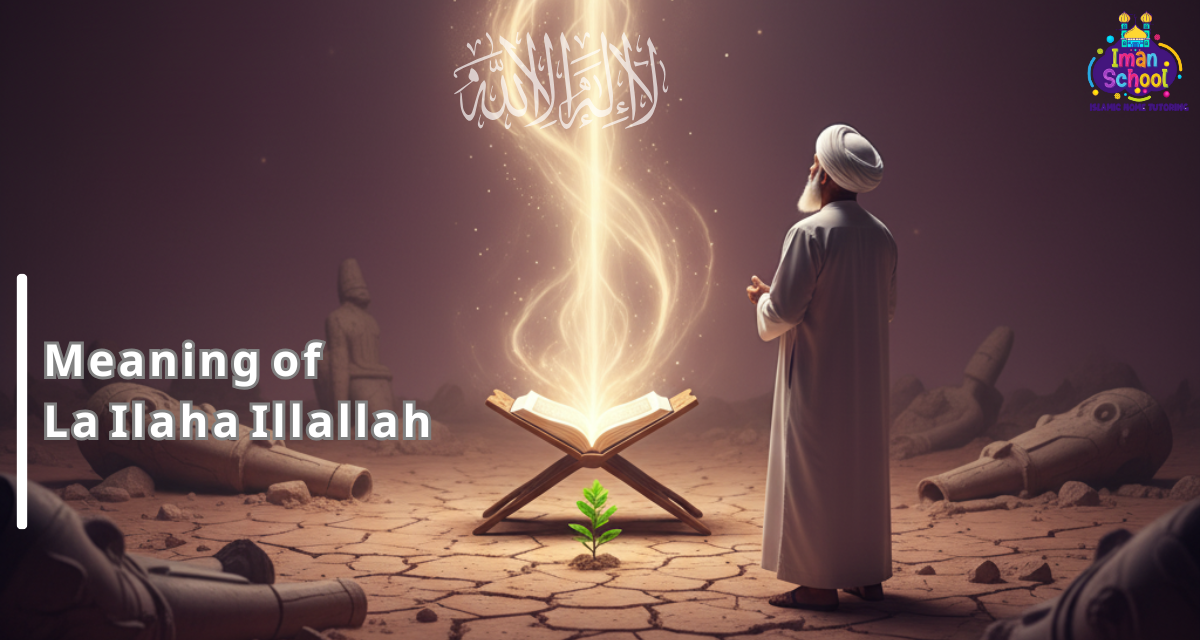
This is the single most important value. Teaching children Tawhid means instilling the belief that Allah is One, He is the Creator, and only He deserves worship. This simplifies their worldview, giving them one source of strength and reliance.
-
Practical Lesson: When they are scared, teach them to say, "Allah is the only Protector."
Get to know: Teaching Halal and Haram for Kids
2- Honesty (Ṣidq)
Honesty is the bedrock of prophetic character. Honesty in Islam for kids must be absolute. Teach them that truthfulness is beloved by Allah and leads to Jannah.
-
Practical Lesson: If a child breaks something, praise their honesty for admitting it before punishing the action.
Also see: Raising Muslim Children in the West
3- Filial Piety (Birr al-Walidayn)
Respect and obedience to parents is a major pillar of Islamic values for children. Filial piety (Birr al-Walidayn) should be taught as an act of worship, second only to Salah.
-
Practical Lesson: Teach them to respond with "Labbayk" (I am here) instead of "Huh?" or "What?" and to never interrupt when an adult is speaking, reinforcing Respect for elders in Islam.
4- Adab (Islamic Etiquette)
Adab (Islamic etiquette) for children covers everything from eating and sleeping to speaking and greeting. This is crucial for their social development and is synonymous with Prophetic manners for youth.
-
Practical Lesson: Teach them the Adab of eating: eating with the right hand, saying Bismillah, and not criticizing the food.
Learn more about: Seerah of Prophet Muhammad for kids
5- Ṣalāh (Prayer)
While Salah is an act of worship, the Importance of Salah for children must be framed as a value: a daily conversation and connection with their Creator. This is how they strengthen their Islamic values for children.
-
Practical Lesson: Start teaching them to pray alongside you around age seven and make the time enjoyable, not burdensome.
6- Cleanliness (Taharah)
The Prophet (PBUH) said that cleanliness is half of faith. Cleanliness in Islam extends beyond personal hygiene to keeping the home, school, and neighborhood tidy.
-
Practical Lesson: Teach them Cleanliness in Islam by linking Wudu to being prepared to stand before Allah, making hygiene a spiritual practice.
7- Patience (Ṣabr)
Life is full of challenges, making Patience (Sabr) in childhood an essential survival skill. Teach them that Sabr is beautiful and rewarded.
-
Practical Lesson: When a child loses a game or can't have something immediately, coach them to say, "Inna Lillahi wa inna ilayhi raji'un," and remind them of the reward for Patience (Sabr) in childhood.
Discover: Top 10 Easy Hadith to Memorize for Kids
8- Gratitude (Shukr)
Values of gratitude (Shukr) are fundamental to contentment. Teach children to thank Allah for everything—from food and health to their family. This prevents feelings of envy and materialism.
-
Practical Lesson: End the day by having each child list three things they are thankful for, linking this practice to Islamic ethics for youth.
9- Justice and Fairness (Adl)
Justice and fairness for kids is taught through their interactions with siblings and friends. This is vital for Raising Muslim children who respect others' rights.
-
Practical Lesson: When intervening in a sibling fight, apply the rules fairly, regardless of who is older or younger. Teach them that Allah loves those who are just.
10- Iḥsān (Excellence and Sincerity)
Teaching Ihsan to kids means encouraging them to do things well, not just to complete them, and to remember that Allah is watching, even when no one else is. Ihsan perfects all other Islamic values for children.
-
Practical Lesson: When they are doing homework or cleaning their room, remind them to do it as if they see Allah, and if they cannot see Him, remember that He sees them.
Get to know: Best Dua for Children
FAQs about Islamic values for children
At what age should I start teaching Islamic values for children?
Formal instruction on Islamic morals for kids and Adab (Islamic etiquette) for children should begin around ages 3-5, using Islamic discipline methods that are gentle and consistent.
How do I teach my child about kindness to neighbors in Islam?
The Prophet (PBUH) emphasized the Kindness to neighbors in Islam so strongly that he thought they might inherit from him. Practical Tip: Involve your child in preparing a simple gift or baked goods for a neighbor, regardless of their faith, and explain that this is an essential aspect of Islamic values for children.
What role does Hayaa (Modesty) play in Islamic values for children?
Modesty (Hayaa) for young Muslims is not just about dress; it is a branch of faith that covers speech, conduct, and clothing. Teach them to be modest in their volume, their gaze, and their behavior. It is the spiritual foundation for all other Islamic morals for kids.
How can I make the process of learning the Quran fun for my children?
Make Learning the Quran for children a positive, rewarding experience. Use colorful materials, sing the Noorani Qaida lessons, and never use the Quran as a punishment. Connect the verses to the Islamic values for children they are learning.
Read about: Islamic Parenting in the West
Online Course on Tarbiyah and Values
Are you seeking a structured curriculum to systematically instill these Islamic values for children and Prophetic manners for youth?
Iman School is the best online Islamic school offering specialized courses in Tarbiyah (upbringing) and Islamic Ethics. Our courses provide the essential framework for Raising Muslim children with strong faith and character.
Our comprehensive programs include:
-
Quran Courses: Tafsir, Tajweed, Hifz, Tilawah, and the Ten Qira'at.
-
Arabic Language: Conversation, Fusha (Classical Arabic), Aamiyyah (Colloquial), and Grammar.
-
Islamic Studies: Fiqh, Sharia, Aqeedah, Hadith, Islamic History, and the Seerah (Prophetic Biography).
Give your child the gift of superior character. Enroll in Iman School's Tarbiyah and Values Course today.